
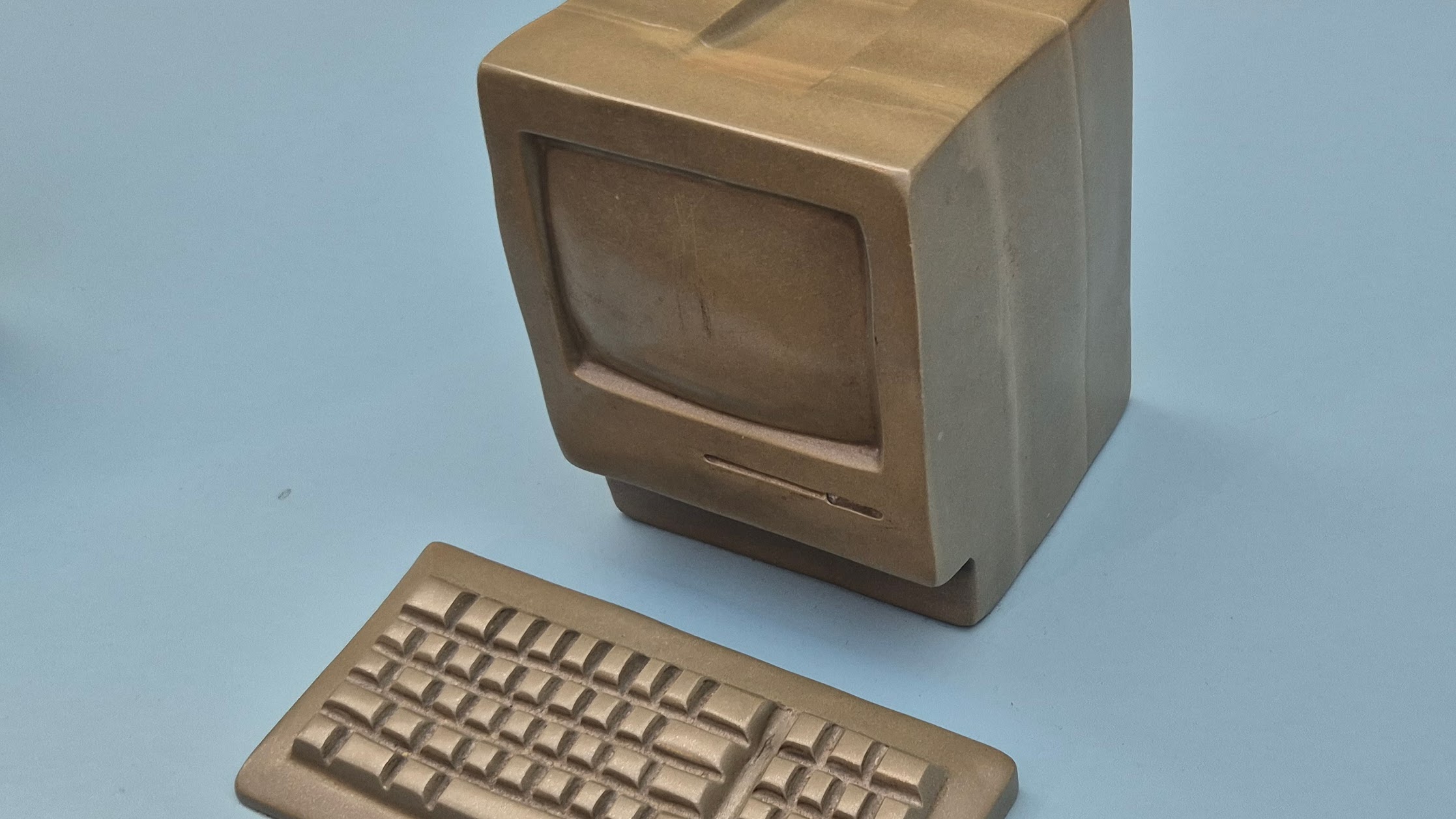
We have solved software. (Sounds of glasses being raised). AI is now at a level where it can build real systems, the real deal. The new features you’ve been encountering in your favourite software products in the last 6 months have been written either entirely by AI, or built with a major contribution by AI.
I was skeptical about this whole AI thing. But hey, the future happened. Dario saw it coming early in 2026, predicting 6-12 months to a place where AI can be more or less self-sufficient in writing code. And now you can say that software is dead. Building software becomes as easy as waving a magic wand. And anyone can do it. A world-transforming event, I mean it. Huge implications ahead.
Does this mean that software development is obsolete as a discipline? I think not. We will now be able to get better software, faster. And yes, we will still need developers.
If you are a developer, you can now challenge the market leaders. For example, by creating cheaper alternatives of existing products. The cloning of the whole Adobe package is one. And while this would make software get significantly cheaper over time, the software will likely not get free – development tokens still cost money. So does user acquisition. Hosting.
Things look different for non-developers. First, they still would need to get their systems somewhere. Why not pay a monthly fee for a system you need? Anyone would. Second, for one-off tasks, such as photoshopping jobs, it’s just easier to ask your favourite LLM to do a quick photo fix there and then, rather than building a tool for it.
If you’re building software tools for developers, this is where you become an endangered species. Developers might just think of replacing your product with a replica. They know how to.
So what can be a moat in this new software economy? A product with a physical element is one. Certification is a good thing too. A devoted user base – definitely.
The whole product vs service decision process changes. Rather than building products – which can easily be cloned – why not provide services of improving, automating, and optimizing existing systems? We have built an enormous number of systems around us, and this creates a huge market, with a lot of opportunities in offering services. And we have at least 5 years until the AI tools will be able to provide such services as well.
Thinking of the corporate inertia, even with the AI tools where they are today, things will not happen overnight. We can safely assume that corporate developers will be doing traditional, or semi-traditional development for the next 10 years. But then it’s all AI.
We can now build better systems for less. We can do more. The old software world is dead. The whole new software world is here. Long live software!